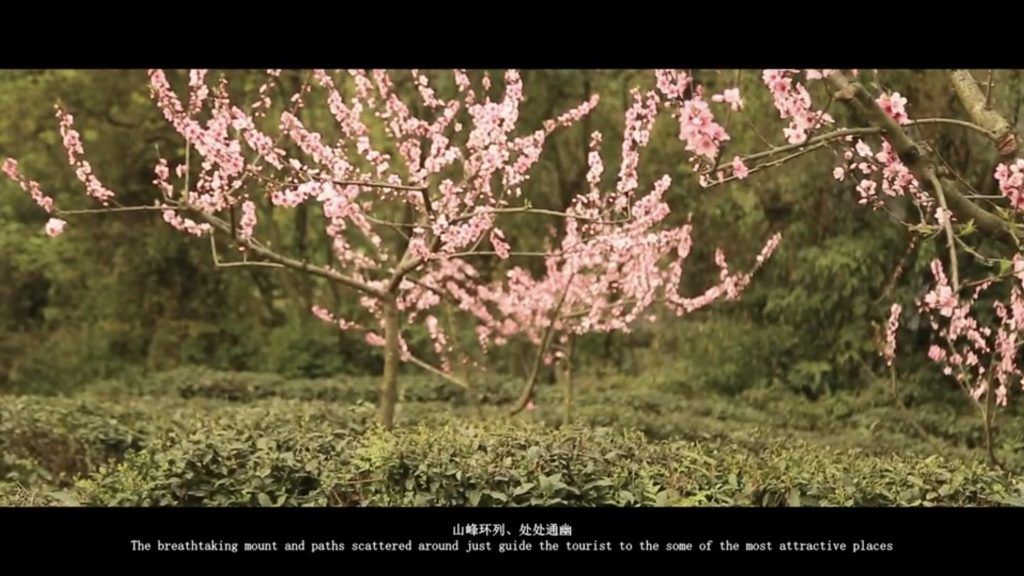
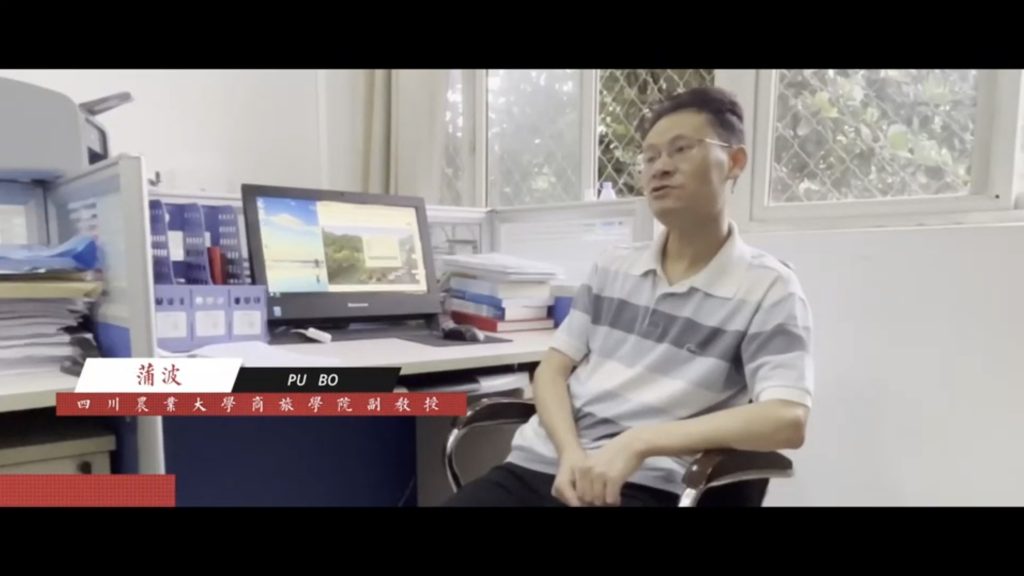
In 2024, I collaborated with several classmates to participate in a campus competition organized by Higher Education Press, which focused on “telling China’s stories in foreign languages.” Our project highlighted the cultural, historical, and industrial significance of Qingcheng Mountain tea.
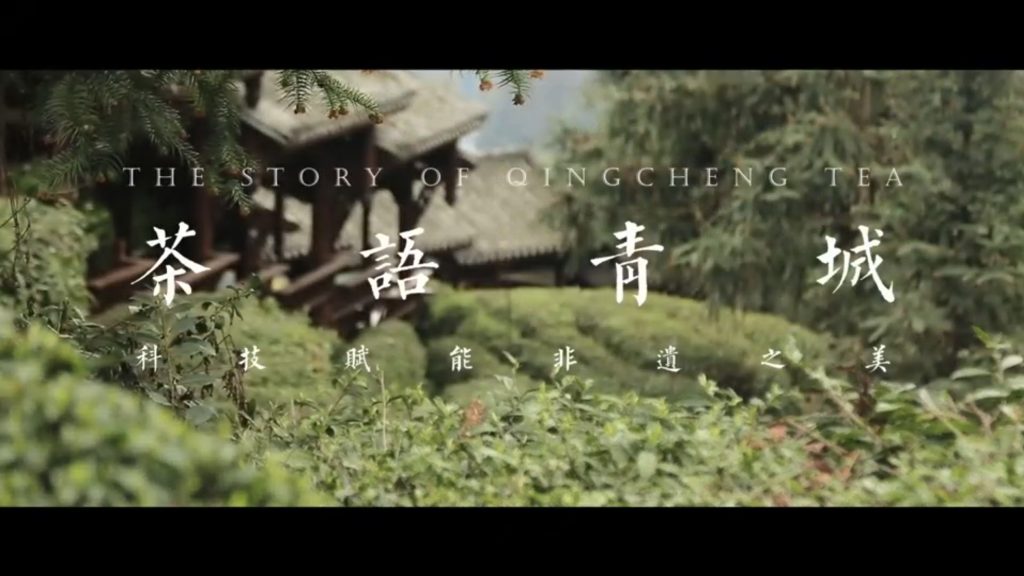
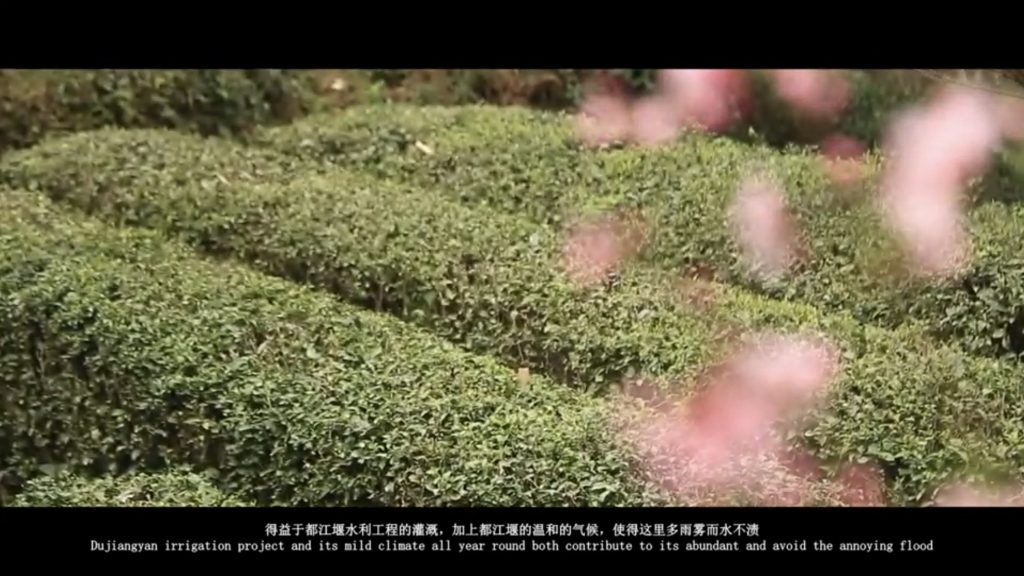
We traced tea culture from its legendary origin with Shennong, through Gu Yanwu’s writings in the Qing Dynasty, to the ecological advantages of Qingcheng Mountain supported by the Dujiangyan irrigation system. We also introduced the traditional tea-making process—including withering (Liangqing), fixation (Shaqing), rolling, and drying—before discussing how modern technology and sustainable practices are reshaping the tea industry today.
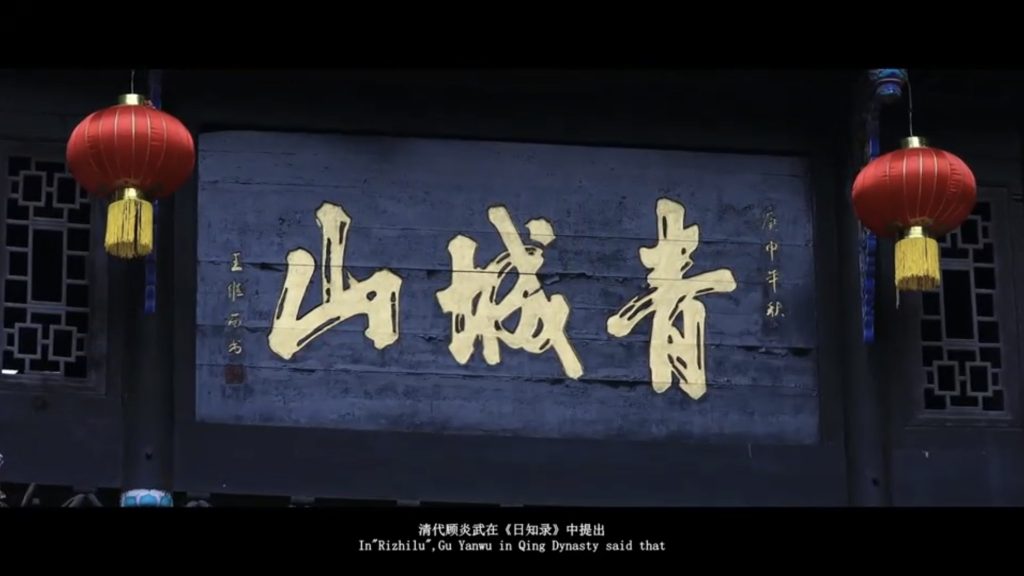
Furthermore, our presentation emphasized the integration of tea production with culture, tourism, and agriculture. We showcased the role of Qingchengdaocha Sightseeing Park, where visitors can experience tea-picking, tea-making workshops, and exhibitions of intangible heritage skills. By combining tradition with innovation, Qingcheng Mountain tea demonstrates how cultural heritage can contribute to sustainable economic growth and international cultural exchange.
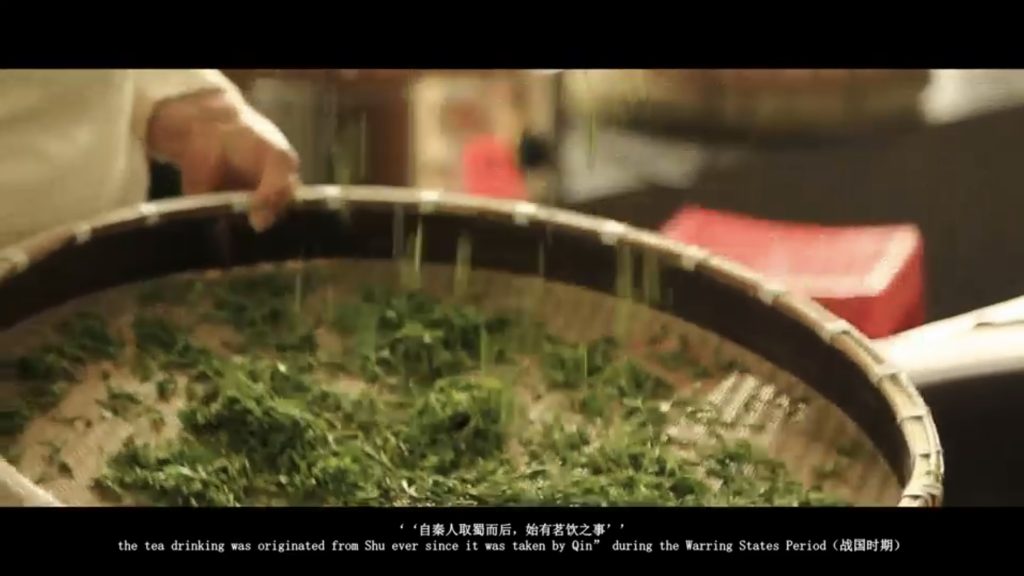
Although our team did not advance beyond the preliminary round, this project gave me valuable experience in public speaking, intercultural communication, and teamwork. It also strengthened my understanding of how local cultural practices can be shared with global audiences in accessible and engaging ways.